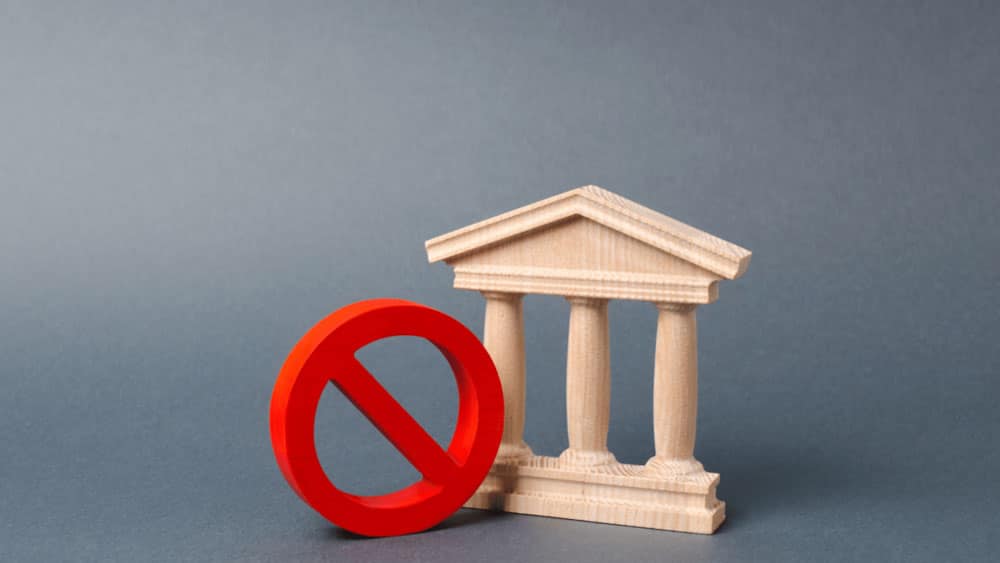
Contemplating the abrupt closure of a bank account often leaves account holders perplexed and in dismay. You wake up one morning, ready to tackle your financial responsibilities, only to discover that your bank has decided your account no longer fits their ‘risk profile.’ Banks – whether it’s a towering institution like Chase or an efficient online entity like Mercury or Relay Fi – retain the authority to discontinue your account, sometimes within a mere three-week notice.
Introduction
Have you ever been left in the dark wondering why your bank decided to close your account? The answer may not always be clear. As our financial activities transition to the digital era, banks scrutinize transactions more than ever to mitigate risk. The cold reality is that your account can be shut down without detailed explanations, regardless of whether you bank with a traditional institution or an online bank. This silent threat looms over both personal and business transactions.
Unique Insights
Not all transactions are treated equally in the eyes of a bank. Regular incoming funds often pass without question, yet sudden large deposits or transfers involving cryptocurrencies attract heightened scrutiny. In a digital financial landscape, understanding the nuanced policies of different banks is crucial. From the steadfast bastions of physical banking to the agile frontiers of online banking, each institution complies with regulations and internal risk assessments unique to its operations.
Workarounds and Recommendations
To sidestep potential account closures, employing intermediaries like Wise or Airwallex for international transfers can be a savvy move, especially for online banks with stringent transaction rules. A diversified approach to banking—having multiple accounts, multiple income streams, and various payment methods—can fortify your financial stability and ensure continuous access to your money.
Tips for Account Management
The key to a lasting business relationship with banks, particularly when navigating through modern portals of finances such as PayPal, lies in restraint. Avoid a meteoric rise in transaction volume on a new account; start small, build your account’s transaction history organically, and gradually increase your activity. This technique is significant not merely for keeping your account in good standing but to foster trust with your financial institution.
Conclusion
Understanding the rules of the game is critical. Adhering to banking regulations, strategically managing your accounts, and maintaining multiple financial avenues will help you keep your bank accounts operative. For those seeking further enlightenment on the intricacies of international business, taxes, and account management, the invitation stands to connect and explore tailored advice. By embracing these insights and recommendations, you can demystify the banking system and secure your financial pathways against unexpected closures.
—
For anyone who’s faced the sudden closing of a bank account or wants to avoid future financial turbulence, these insights and recommendations can help you steer clear of the pitfalls and maintain a healthy banking relationship.
Also read, Why U.S Bank Are Closing Non-Resident Accounts (& How To Fix It)?>>
Frequently Asked Questions
Why do banks close business accounts without explanation?
Banks usually cite their risk policies rather than specific reasons. Common triggers include unexplained large transfers, activity that does not match the stated business, high-risk countries or industries, incomplete ownership documents and chargebacks.
Can I get my money back if the account is closed?
Yes. The bank must return your remaining balance, usually by check or transfer to another account. Keep another business account ready so you can receive the funds quickly.
How can I reduce the risk of closure?
Keep your business profile current, respond quickly to document requests, explain unusual transactions in advance, keep personal and business funds separate, and avoid sending payments through intermediaries the bank cannot verify.
Should I open accounts with more than one provider?
Many non-resident founders keep a primary bank or fintech account and a backup account so payments and payroll do not stop if one account is reviewed or closed.
“This content is for informational purposes only and does not constitute legal, tax, or financial advice. For advice specific to your situation, consult a qualified US attorney or CPA.”
File Your LLC Today
25$ off with a coupon
Lock in EasyFiling's transparent rates and get lifetime compliance support at no extra cost.
Get Started Now
Swostika Silwal